 History of Illustration
Art, for me, is therapy - a visual language used to process emotions and bring my overactive imagination to life. I am influenced by nature and a desire for magic in my life, gravitating to whimsical and fantastical art in film, stories, and illustration. Immersing myself in new imaginative worlds provides a mental break from the realities of daily life.
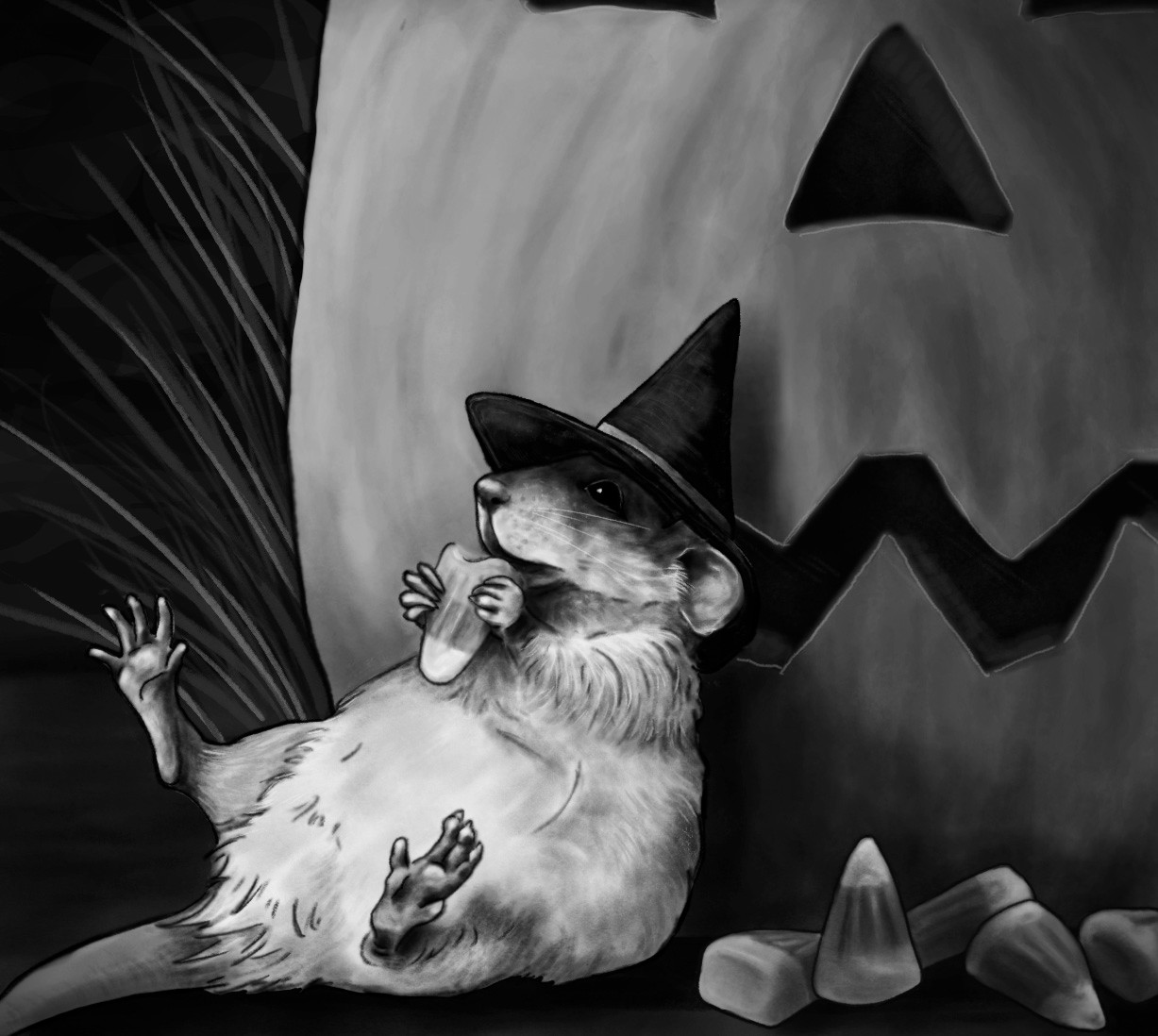
My illustrations and designs often lean into the darker side of whimsical art, utilizing both digital tools and traditional mixed media with a focus on limited color palettes and clean, flowing lines. My style encourages the viewer to think outside of the conventional norms of reality and get in touch with their inner child.
Editorial Illustration
For magazines, newspapers, and online articles.
Book Illustration: Brings stories and information to life in books.
Scientific Illustration
Shows detailed, accurate representations of plants, animals, anatomy, and scientific concepts for education or research.
Commercial Illustration
Used in ads, packaging, and marketing materials.
Technical Illustration
Shows how things work in manuals or guides.
Fashion Illustration
Highlights clothing designs and style trends.
Concept Art
Visualizes characters and worlds for films and games.
Infographic Illustration
Combines pictures and data for clear communication.
Traditional Techniques
Done by hand using traditional art materials: pencil, ink, watercolor, acrylic, gouache, mixed media.
Digital Techniques
Created with tablets or styluses (e.g., Wacom, iPad) using computer software: Adobe Illustrator, Photoshop, Procreate, Clip Studio Paint, CorelDRAW.
Blended Methods:
Many artists sketch by hand first, then refine or color digitally.